
Before leaves, heavy rain, and colder weather settle in, take five minutes to see what your roof may be telling you.
September is a good time to look at your home a little differently. Summer is winding down. Storm season has already put your roof through months of heat, wind, heavy rain, and potentially hail. Now fall is bringing its own challenges—falling leaves, clogged gutters, wet weather, and eventually colder temperatures.
You don't need to climb onto your roof to start paying attention. In fact, the National Roofing Contractors Association recommends that homeowners inspect their roof systems at least twice a year, preferably in spring and fall, and after severe weather events. It also recommends that homeowners avoid walking on the roof unless they have the appropriate experience and equipment.
So before fall gets underway, grab five minutes and walk around your property. Here's what to look for.
1. Start With What You Can See From the Ground
Stand back from your house and look at each roof slope. You're not trying to diagnose the roof. You're looking for anything that looks different from the way it normally does.
Pay attention to:
- Missing shingles
- Shingles that appear lifted or displaced
- Curling or cracked shingles
- Dark or damaged areas
- Exposed roofing materials
- Debris sitting on the roof
- Sagging areas
- Damaged flashing around visible roof penetrations
Some roofing problems are obvious from the ground. Others aren't. That's why a ground-level check should be viewed as a screening step, not a substitute for a professional inspection.
2. Look Inside Your Gutters
Here's something many homeowners don't realize: your gutters can sometimes tell you something about your roof.
After cleaning out leaves and debris, look at what's collecting inside the gutters. An excessive amount of loose roofing granules can be one of the visible signs of roof deterioration. The NRCA specifically lists excessive surface granules accumulating in gutters or downspouts among the conditions that can indicate roof problems.
A Few Granules Aren't Always a Problem
Granule loss can occur for different reasons. But if you're seeing an unusual amount of material collecting in the gutters, it's worth asking why.
3. Make Sure Water Has Somewhere to Go
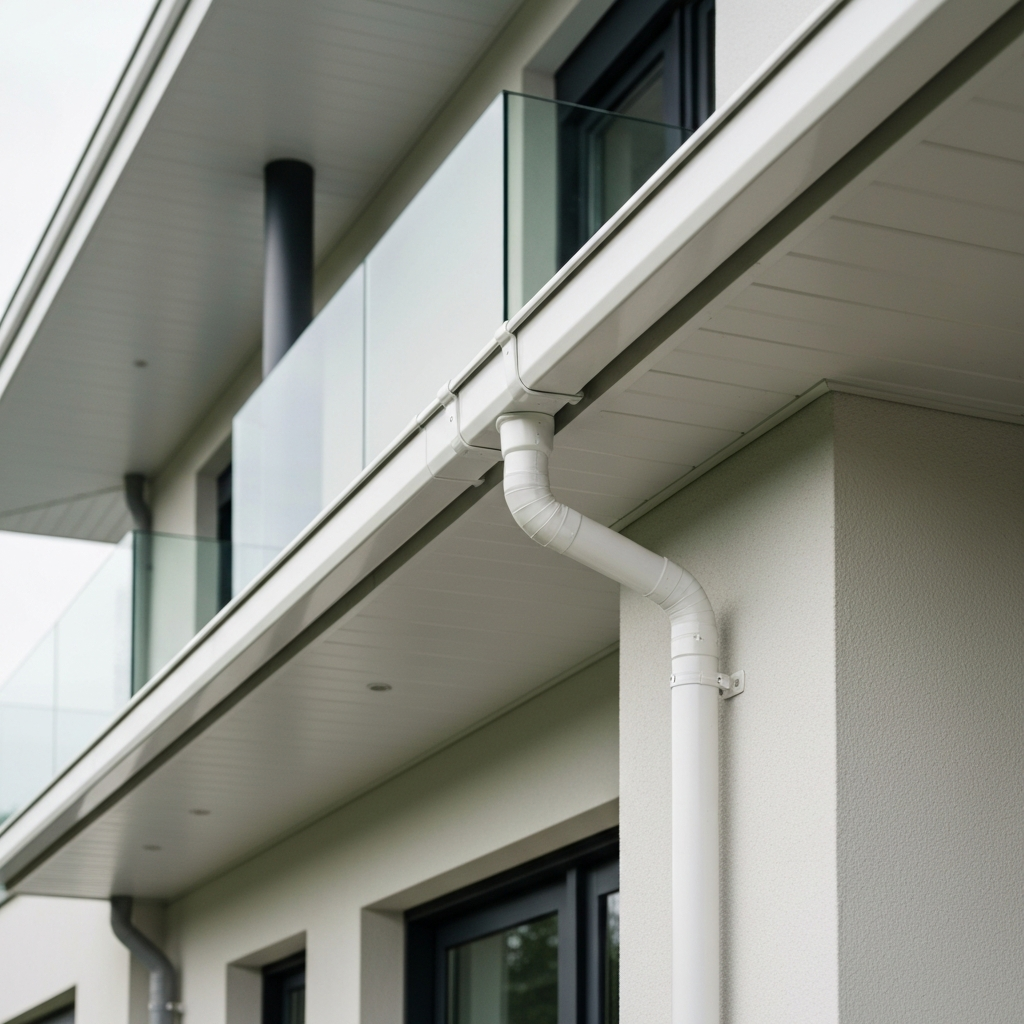
A gutter system only works when the water can actually move through it. Check your downspouts for obvious blockages and make sure water is being directed away from the house.
Look for:
- Leaves packed inside the gutter
- Debris around the downspout opening
- Loose gutter sections
- Water stains beneath joints
- Downspouts disconnected from the gutter
- Extensions that have moved or become blocked
Roof maintenance isn't just about the shingles. It's about the entire system working together to move water away from your home. The NRCA specifically recommends keeping gutters and downspouts clear because debris can interfere with proper drainage.
4. Take a Look in the Attic
Your attic can provide another important clue. If you have safe access, look for anything that suggests moisture has gotten where it shouldn't.
Check for:
- Water stains
- Damp insulation
- Discolored wood
- Peeling or damaged materials
- Mold or mildew
- Signs of previous leaks
You don't have to figure out where the water came from. You're simply looking for evidence that water may have gotten into the roofing system or the space beneath it. And don't assume a small stain isn't important. Roof leaks don't always produce dramatic dripping water. Sometimes the evidence is much more subtle.
5. Think About What Happened This Summer
This might be the most important part of your five-minute check. Ask yourself: What did my roof go through this summer?
Did your area experience:
- Severe thunderstorms?
- Hail?
- High winds?
- Heavy rainfall?
- Falling branches?
- Multiple significant storms?
A roof can experience damage during a storm without immediately developing an obvious interior leak. That's one reason the NRCA recommends additional roof inspections following severe weather. Professional inspections can identify conditions that aren't necessarily apparent during a basic homeowner check.
Homeowner Tip: If your neighborhood was hit by a significant storm this summer, don't let the absence of a leak convince you that nothing happened.
What You Shouldn't Do
There's one important part of this checklist: Don't climb onto the roof just to get a closer look. Walking on a roof can be dangerous, and homeowners can also unintentionally damage roofing materials.
The NRCA recommends that homeowners keep their inspections at ground level when possible and leave closer assessment and repairs to qualified roofing professionals. You can see a surprising amount from the ground. And if something doesn't look right, that's when it's time to bring in someone who can take a closer look safely.
A Five-Minute Fall Roof Checklist
Before the first serious fall weather arrives, ask yourself:
- Do all of my shingles appear intact from the ground?
- Do I see any obvious signs of storm damage?
- Are my gutters clear?
- Is there an unusual amount of roofing material or granules in my gutters?
- Are my downspouts clear and directing water away from the house?
- Do I see any signs of moisture in the attic?
- Has my roof experienced significant weather since its last inspection?
If everything looks good, that's great. If something catches your attention, don't ignore it.
The Best Roof Problem Is the One You Find Early
Preventative maintenance isn't about constantly worrying about your roof. It's about paying enough attention that a small problem has a chance to be addressed before it becomes a much bigger one.
The NRCA describes preventative maintenance as a proactive approach that can help identify problems earlier and potentially address them before they become more widespread. That's especially important heading into fall and winter. Because once the weather changes, getting a roof problem evaluated can become a lot more urgent.
“The best roof problem is the one you find early.”
— Roofsters LLC
Not Sure What Your Roof Needs?
You don't have to diagnose your roof yourself. If you've noticed something unusual, your home experienced severe weather this year, or you simply don't remember the last time your roof was professionally inspected, now is a good time to find out what condition it's actually in.
Find Out What Your Roof Really Needs
Roofsters provides professional roof inspections for homeowners throughout Pennsylvania, New Jersey, Delaware, and Maryland. Schedule your free inspection today, or call (484) 515-5800.
Frequently Asked Questions
Schedule a Free Inspection
Not sure what your roof needs after a long summer? A free, no-obligation inspection gives you honest answers before fall weather arrives.