
Summer can be hard on a roof. Months of intense sunlight, heat, thunderstorms, heavy rain, and occasional hail can gradually expose weaknesses that weren't obvious earlier in the year.
Then fall arrives. Leaves begin collecting in gutters. Temperatures drop. Rain becomes more frequent. Wind picks up. And before long, freezing temperatures can introduce an entirely different set of challenges.
That's why early September is an excellent time to give your home's exterior—and especially your roof—a little attention. The National Roofing Contractors Association recommends homeowners have their roof systems inspected at least twice a year, preferably in spring and fall, with additional inspections after severe weather events.
Here are seven things worth checking before fall weather settles in.
1. Look for Missing, Damaged, or Curling Shingles
Start from the ground. You don't need to climb onto your roof to perform a basic homeowner check—and you shouldn't put yourself at risk trying to inspect areas you can't safely reach.
Look for shingles that appear missing, lifted or displaced, cracked, curling at the edges, buckled or distorted, or noticeably different from surrounding shingles. These can be signs of weather exposure, aging, storm damage, or other roofing problems.
The NRCA specifically identifies cracked, curling, warped, or missing shingles as conditions homeowners should watch for during routine inspections. The key is catching problems while they're still problems—not after they've become leaks.
2. Clean Out Your Gutters Before the Leaves Take Over
Fall leaves and debris can quickly turn a functioning gutter system into a drainage problem. When gutters become clogged, water can't move away from the roof properly.
That can lead to overflowing gutters, water running down exterior walls, saturated areas around the foundation, ice buildup during colder weather, and water backing up around roof edges.
The NRCA recommends removing leaves and other debris from gutters and paying particular attention to valleys, gutters, and drainage areas where debris can accumulate. If your gutters are already full in early September, don't wait until the leaves are finished falling. A clean starting point makes seasonal maintenance much easier.
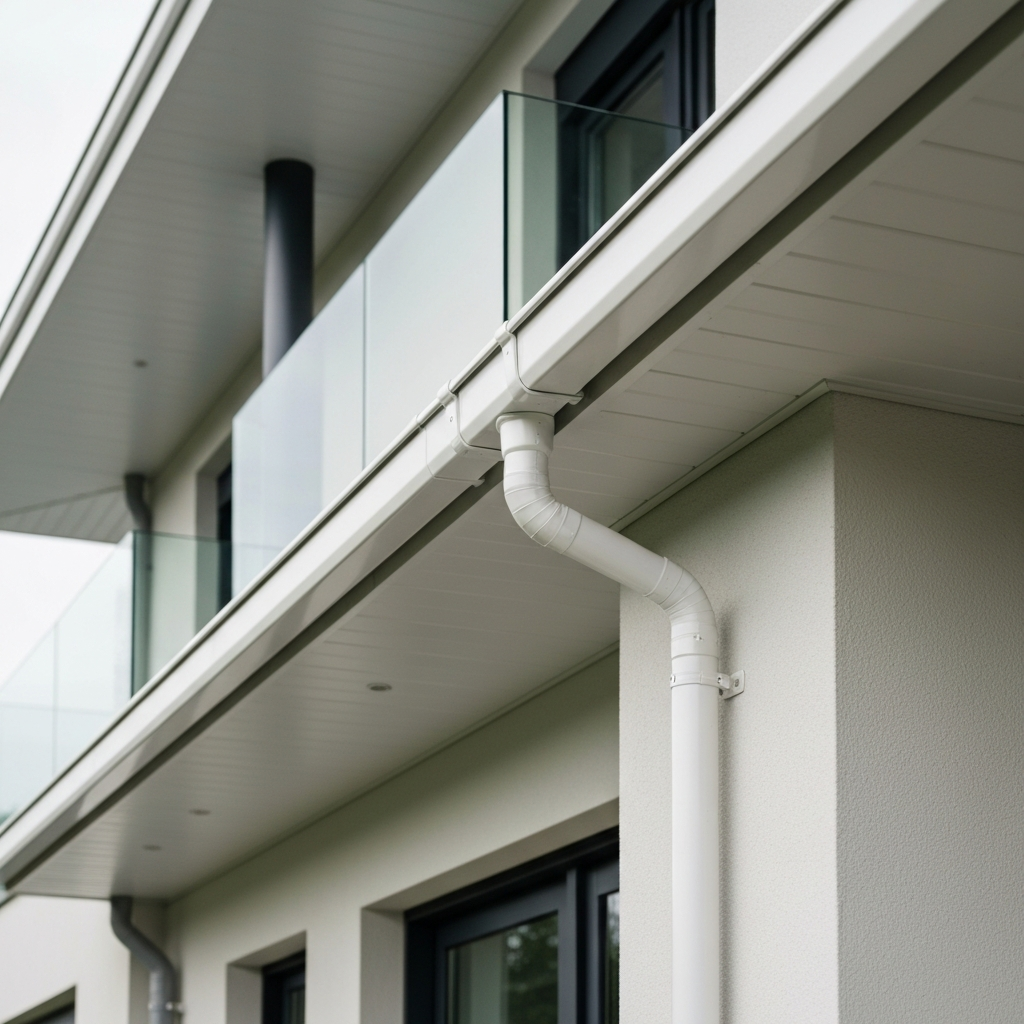
3. Check Your Downspouts
Gutters can be perfectly clean and still fail to protect your home if the downspouts are blocked. Make sure water has a clear path from the gutters to the ground.
Look for leaves or debris blocking the opening, loose connections, crushed or damaged sections, water spilling from joints, and downspouts discharging directly against the foundation.
One Job
During heavy rain, your home's drainage system has one job: move water away from the house. If it can't do that, the problem isn't simply a 'gutter issue.' It's a water-management issue.
4. Take a Look in the Attic
Your attic can sometimes tell you things your roof can't. If you have safe access to your attic, look for signs of moisture or water intrusion such as wet or compressed insulation, water stains, darkened wood, mold or mildew, warped or deteriorated wood, and damp areas around roof penetrations.
The U.S. Department of Energy notes that moisture can enter an attic through roof leaks, improperly installed flashing, and other pathways, and that moisture can damage roof components and insulation.
You don't need to become a roofing expert. You're simply looking for something that doesn't look right. If you find evidence of moisture, it's worth having the source professionally evaluated.
5. Think Back to the Summer Storms
This is one of the most important questions homeowners can ask: What happened to my house this summer?
Did your area experience hail, high winds, severe thunderstorms, heavy rainfall, falling branches, or multiple storm events? Storm damage isn't always obvious from the ground.
The NRCA recommends that roofs be professionally inspected after severe weather because trained roofing professionals may identify damage that isn't apparent to homeowners. And remember: no leak doesn't necessarily mean no damage. If your home went through a significant storm season, fall is a good time to find out what condition your roof is actually in.
Homeowner Tip: If neighbors are getting new roofs or having inspections after a storm, there's a good chance your roof was affected too.
6. Check the Areas Around Roof Penetrations
Some of the most important areas of a roof aren't the shingles themselves. Pay attention to areas around chimneys, plumbing vents, skylights, roof vents, valleys, flashing, and sidewalls.
These areas involve transitions and penetrations through the roofing system, which means they deserve particular attention during an inspection. If you notice staining, damaged flashing, lifted materials, or anything that appears out of place, don't assume it's harmless. A small problem around a roof penetration can become a much bigger problem when repeated rain and freezing temperatures arrive.
7. Know When to Call a Professional
There's a big difference between checking your roof and inspecting your roof. A homeowner can safely look from the ground, check gutters, observe obvious exterior conditions, and look for signs of moisture inside the home. But climbing onto a roof without the proper experience and safety equipment isn't worth the risk.
The NRCA specifically advises homeowners not to perform roof inspections by walking on the roof themselves. If something looks questionable—or if your home has recently experienced significant weather—a professional inspection can provide a much clearer picture.
And an inspection doesn't automatically mean you need a new roof. A leak, for example, can sometimes originate from a localized damaged area or flashing issue rather than requiring complete roof replacement.
Your Fall Roof Checklist
Before the weather changes, take a few minutes to ask yourself:
- Do my shingles look intact from the ground?
- Are my gutters clear?
- Are my downspouts draining properly?
- Have I noticed any water stains or moisture in the attic?
- Has my home experienced significant hail or wind this year?
- Do my chimney, vents, skylights, and flashing appear normal?
- When was the last time my roof was professionally inspected?
If you can't confidently answer the last question, this may be a good time to schedule one.
Don't Wait for Fall to Tell You Something Is Wrong
Your roof doesn't need to be leaking for you to pay attention to it. In fact, preventative maintenance is about finding potential problems before they become expensive problems.
Fall is one of the best times to take a proactive look at your home's roofing system, especially after a summer of storms and extreme weather. A few minutes of attention now can give you something every homeowner wants heading into the colder months: peace of mind.
“The best time to check your roof is before the weather forces you to.”
— Roofsters LLC
Find Out What Your Roof Really Needs
Not sure whether your roof made it through the summer in good shape? You don't have to guess. Roofsters serves homeowners throughout Pennsylvania, New Jersey, Delaware, and Maryland. Schedule your free roof inspection today.
Frequently Asked Questions
Schedule a Free Inspection
Not sure whether your roof made it through the summer in good shape? A free inspection gives you honest answers before fall weather arrives.