
Cooler weather is arriving, and your roof has an important job to do. Before temperatures drop further, here are six things homeowners should check to help protect their homes through fall and winter.
When the weather gets colder, most homeowners start thinking about heating systems, drafty windows, and preparing their homes for winter.
But there's another part of your home that deserves attention before temperatures drop: your roof.
After months of summer heat, thunderstorms, wind, and potential hail, your roofing system may have developed issues that aren't immediately obvious. As fall progresses, colder temperatures and repeated rain can make existing problems more noticeable.
October is an ideal time to look for warning signs and address concerns before winter weather makes repairs more difficult. Here are six things every homeowner should check.
1. Look for Signs of Summer Storm Damage
Your roof may have experienced more this summer than you realize. High winds can loosen or displace shingles. Hail can damage roofing materials. Falling branches can affect shingles, flashing, and other roof components.
From the ground, look for:
- Missing or uneven shingles
- Damaged roof edges
- Debris that may have struck the roof
- Dents in visible metal components
- Areas that look noticeably different from the surrounding roof
Remember, some storm damage isn't visible from the ground. If your neighborhood experienced significant hail or severe winds, consider having your roof professionally inspected even if you haven't noticed a leak.
Homeowner Tip: A roof doesn't have to look severely damaged to deserve a closer look.
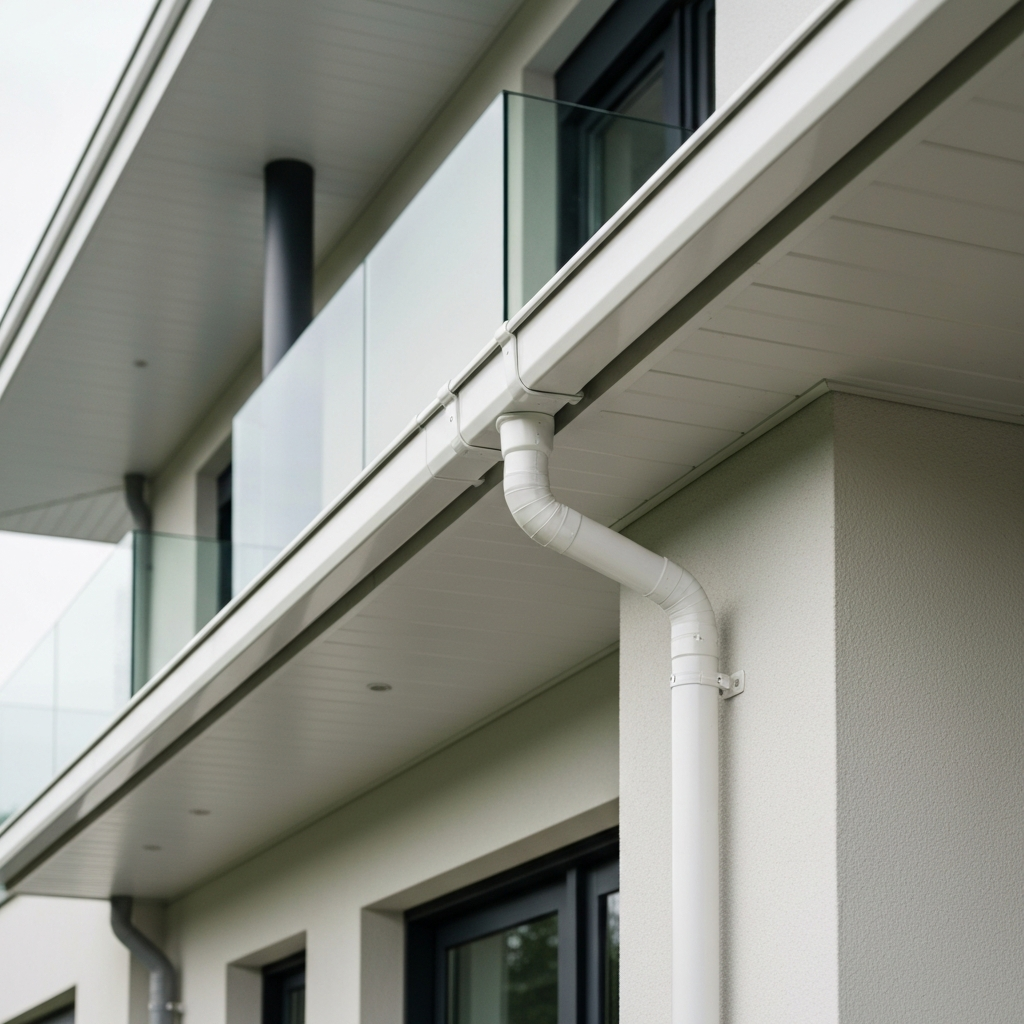
2. Check Your Gutters Before More Leaves Fall
October can be a busy month for gutters. Leaves, twigs, and other debris can accumulate quickly, restricting the flow of rainwater away from your home.
When gutters become clogged, water may overflow, collect around the foundation, or back up near roof edges.
Check for:
- Visible leaves and debris
- Gutters pulling away from the house
- Water stains beneath gutter joints
- Loose or disconnected downspouts
- Drainage that directs water toward the foundation
Keep gutters and downspouts clear, and make sure water can drain away from your home. If your gutters are already filling up, don't wait until every tree has dropped its leaves to address the problem.
3. Look for Warning Signs in Your Attic
Your attic can reveal problems that aren't visible from outside. If you have safe access, take a look around for:
- Water stains on wood
- Damp insulation
- Discoloration around roof penetrations
- Musty odors
- Signs of previous leaks
- Unexplained moisture
Not every stain means there's an active leak, but it deserves attention if you don't know its source.
Moisture Isn't Always a Roof Leak
Moisture can result from condensation as well as roof leaks. Proper ventilation and moisture management are important parts of keeping an attic healthy. If you notice damp materials or recurring moisture, have the cause evaluated rather than assuming the problem will disappear when the weather changes.
4. Pay Attention to Flashing and Roof Transitions
Shingles aren't the only part of your roof that protects your home from water. Flashing helps direct water away from vulnerable areas, including chimneys, skylights, plumbing vents, and places where the roof meets a wall.
From the ground, look for obvious signs of displaced or damaged materials. Inside the attic, look for moisture near visible penetrations where it is safe to observe.
Problems around these areas can allow water to enter even when the surrounding shingles appear to be in good condition. Because flashing problems can be difficult to assess from a distance, leave close inspection and repairs to a qualified roofing professional.
5. Don't Ignore Small Ceiling Stains
A small brown spot on the ceiling might not seem urgent, particularly if it hasn't grown recently. But it shouldn't be ignored.
Ceiling stains can indicate a past or active moisture problem. The source might be a roof leak, damaged flashing, plumbing, condensation, or another issue.
Pay attention to whether the stain:
- Grows after rainfall
- Becomes darker or changes shape
- Feels damp
- Appears alongside peeling paint
- Returns after being repaired or repainted
Safety First
If you see active dripping, spreading water damage, or a sagging ceiling, arrange prompt professional assessment and avoid entering areas that may be unsafe.
Painting over a stain doesn't fix the source of the moisture. Finding the underlying cause is what matters.
6. Make Sure Your Roof Is Ready for Winter
Winter places different demands on a roofing system. Depending on where you live, your home may experience freezing temperatures, snow, ice, wind, and repeated freeze-thaw cycles.
A roof that already has damaged shingles, compromised flashing, or drainage problems may be less prepared to handle those conditions. Before winter arrives, consider whether:
- Your roof has been inspected recently
- Any known storm damage has been evaluated
- Gutters and downspouts are functioning properly
- Previous leaks have been addressed
- Attic moisture or ventilation concerns have been investigated
You don't need to assume your roof has a problem. You simply want to know what condition it's in before the weather becomes more challenging.
Your October Roof Checklist
Before temperatures drop further, ask yourself:
- Have I checked my roof for visible signs of storm damage?
- Are my gutters and downspouts clear?
- Have I noticed moisture or unusual odors in the attic?
- Are there any new ceiling stains?
- Have known roof or flashing problems been addressed?
- Do I know when my roof was last professionally inspected?
You can safely perform basic visual checks from the ground and look for signs of moisture inside your home. Avoid climbing onto the roof yourself. If something looks unusual—or your home experienced severe weather this year—a professional inspection can help you understand what needs attention.
A Little Preparation Now Can Make a Difference Later
Your roof protects more than the structure of your home. It protects your belongings, your living space, and the people inside it. The best time to investigate a potential roofing problem is before it becomes an emergency.
October offers a useful opportunity to assess your roof, address visible concerns, and prepare your home for the colder months ahead. And remember: discovering a problem doesn't automatically mean you need a new roof. Sometimes the right solution is a localized repair, improved drainage, or another targeted fix. The important thing is understanding what your home actually needs.
“The best time to investigate a potential roofing problem is before it becomes an emergency.”
— Roofsters LLC
Find Out What Your Roof Really Needs
Schedule Your Free Roof Inspection
If your roof has been through a summer of storms, you've noticed a possible warning sign, or you simply want to prepare for winter with greater confidence, Roofsters can help. Our team serves homeowners throughout Pennsylvania, New Jersey, Delaware, and Maryland. Call us at (484) 515-5800 or schedule your free roof inspection today.
Roofsters — helping homeowners understand their roofs and make informed decisions about protecting their homes.
Frequently Asked Questions
Schedule a Free Inspection
Not sure if your roof is ready for winter? A free, no-pressure inspection gives you honest answers before the colder months arrive.